Installing a custom driveway gate is more than simply setting a gate in place. A professional custom gate installation involves property evaluation, design, fabrication, automation planning, and precision installation. When each stage is carefully planned, the result is a gate that enhances your property’s security, curb appeal, and everyday convenience while providing reliable performance for years to come.
At Lambert’s Ironworks, we’ve designed, fabricated, and installed more than 19,800 custom gates throughout the Dallas-Fort Worth area. Every property is different, which is why every project begins with understanding the site before a single piece of steel is fabricated.
Whether you’re building a new home or upgrading an existing entrance, understanding the custom gate installation process helps you know what to expect, avoid unnecessary surprises, and ensure every component—from the gate itself to the automation system—is designed to work together.
What Makes a Custom Gate Different From a Standard Gate?
A custom driveway gate is designed specifically for your property rather than adapted from a limited selection of prefabricated sizes and styles. Every aspect—from the gate configuration and dimensions to the finishes and automation—is tailored to your property’s layout and architectural style.
Unlike standard gates, custom systems allow homeowners to:
- Build to the exact driveway opening
- Select a gate configuration that fits the property
- Integrate with existing fencing, columns, and architecture
- Choose automation and access controls that fit their needs
- Create a one-of-a-kind entrance designed for long-term performance
At Lambert’s Ironworks, every gate is measured, fabricated, finished, and installed specifically for the property. With more than 19,800 gates crafted and installed throughout Dallas-Fort Worth, our focus is on building complete gate systems that perform as well as they look.
Choosing the Right Gate Configuration
Before the installation process begins, one of the first decisions is selecting the right gate configuration. The best option depends on your property’s layout, available space, driveway slope, and how you plan to use the entrance.
Single-Swing Gates
Single-swing gates are often used for smaller driveway openings where a single gate panel can operate without interfering with nearby landscaping or structures.
Double-Swing Gates
Double-swing gates are a popular choice for wider driveways and estate entrances, providing a balanced appearance while reducing the swing radius of each gate panel.
Sliding Gates
Sliding gates are often the better choice for properties with limited swing clearance or significant driveway slopes. Rather than swinging inward or outward, they travel parallel to the fence line and require adequate space alongside the driveway.
Selecting the proper gate configuration early in the planning process helps ensure the gate operates safely, integrates properly with the automation system, and performs reliably for years to come.
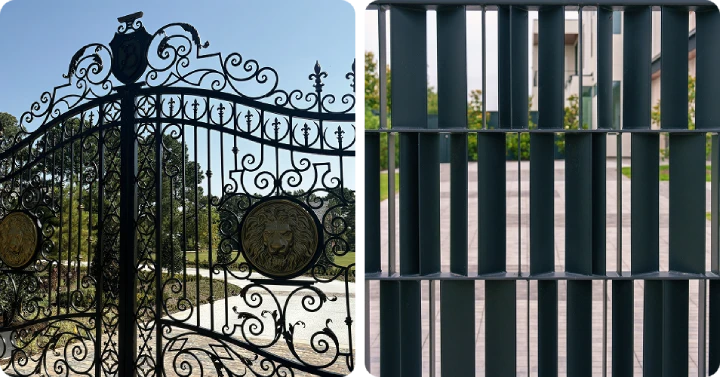
Understanding the Custom Gate Installation Process
A successful custom gate installation begins long before fabrication or installation starts. Every project follows a series of steps designed to ensure the gate fits the property correctly, operates reliably, and provides long-term performance.
1. Property Evaluation and Measurements
The first step is understanding the installation area.
During the initial site evaluation, professionals assess the property’s layout and identify any factors that may affect the gate’s design or installation, including:
- Driveway width
- Ground conditions
- Driveway slope and grade
- Available operating clearance
- Existing fencing or masonry
- Electrical requirements
- Gate movement space
Accurate measurements and careful planning help prevent issues such as improper alignment, clearance problems, or unnecessary modifications later in the project.
2. Design Development and Custom Fabrication
Every custom gate begins with a homeowner’s vision, whether that’s an inspiration photo, architectural plans, a sketch, or an original concept.
The design process typically includes:
- Reviewing the homeowner’s design preferences
- Selecting the appropriate gate configuration
- Engineering the gate for the property’s dimensions
- Choosing hardware and finish options
- Planning operator placement and automation
- Preparing the gate for fabrication
At Lambert’s Ironworks, every gate is designed, fabricated, and installed by our in-house team, helping maintain quality and consistency throughout the entire project.
3. Fabrication and Finishing
Once the design is finalized, fabrication begins. Every custom gate is built to ensure structural strength, precise fit, and long-term durability.
Important details include:
- Proper welding techniques
- Accurate measurements
- Durable hardware selection
- Professional finishing
Before leaving the shop, the gate is inspected to help ensure it meets both structural and quality standards prior to installation.
For North Texas homes, finishing is especially important because gates are exposed to heat, moisture, and changing weather conditions.
Lambert’s Ironworks uses electrostatic paint finishes designed to provide long-lasting protection against corrosion, wear, and environmental exposure.
4. Professional Installation and Testing
Installation involves much more than mounting the gate into place. Before a project is complete, the gate, operator, and access controls must all be properly adjusted and tested to ensure they function together as one complete system.
A professional installation typically includes:
- Proper gate alignment
- Secure hardware installation
- Operator installation and adjustment
- Access control integration
- Safety device testing
- Final system testing and operational adjustments
Taking the time to properly test and fine-tune the system helps ensure smooth operation and long-term reliability from day one.
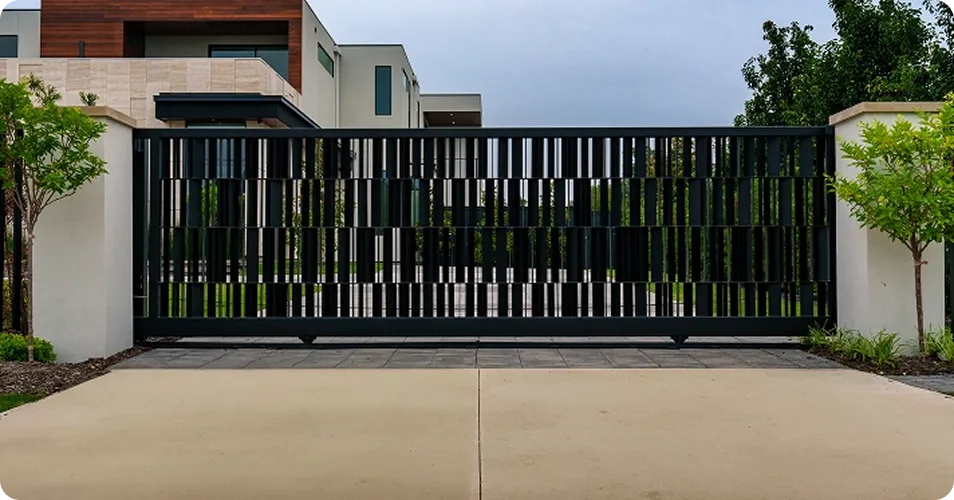
Planning for Gate Automation
Many homeowners choose to include an automatic gate operator as part of their custom gate installation. Planning for automation during the initial design phase helps ensure the gate, operator, and access controls work together as one complete system.
Benefits of Automatic Gates
Automatic gate systems can provide:
- Remote access
- Increased convenience
- Controlled property access
- Smartphone integration
- Keypad and visitor entry options
Proper planning is essential. The operator should be matched to the gate’s size, weight, and expected frequency of use. Designing the gate with automation in mind from the beginning can help reduce future modifications while improving long-term reliability.
At Lambert’s Ironworks, gate operators are integrated into the design process with compatibility checks, safety devices, and final system testing to help ensure reliable performance.
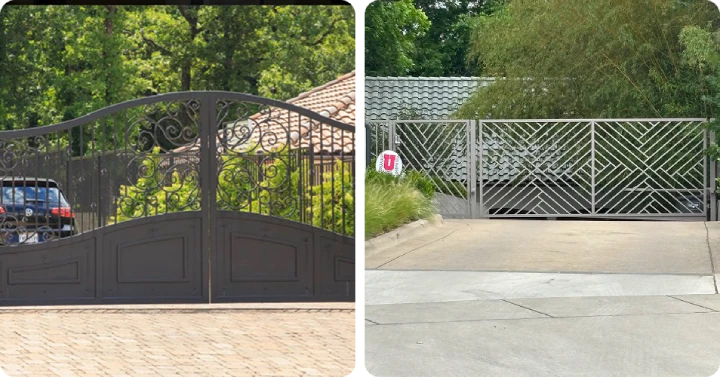
Preparing for Your Custom Gate Installation
Before installation begins, taking a few steps to prepare your property can help the project move smoothly while reducing unnecessary delays.
Site Preparation
Before installation begins, it’s important that the project site is ready for construction. Depending on the property, preparation may include:
- Finalizing the gate location
- Confirming driveway access
- Completing masonry or column work
- Planning electrical service and conduit
- Clearing the installation area
Depending on the project, some preparation may be completed by the homeowner, builder, or other contractors before installation begins.
Proper site preparation helps avoid unnecessary delays during installation.
Texas Weather Conditions
Dallas-Fort Worth properties experience intense summer heat, storms, and temperature changes that can affect outdoor metal structures.
A durable gate begins with quality fabrication, a protective finish, and proper installation. Routine maintenance also helps maximize long-term performance.
Planning for Future Access Control
Many homeowners choose to add automation, keypads, smartphone access, or additional safety devices. Planning for these features during the initial installation is often simpler and more cost-effective than adding them later.
Consider whether you may want:
- Keypad entry
- Remote controls
- Smartphone access
- Vehicle detection
- Additional safety devices
Common Mistakes During Custom Gate Installation
Skipping Proper Site Planning
Proper measurements, electrical planning, and site preparation help prevent delays and unnecessary modifications during installation.
Waiting Too Long to Plan Automation
Planning for conduit, power, and operator placement before installation helps create a cleaner installation and reduces future modifications.
Choosing a Company That Doesn’t Manage the Entire Project
Working with separate companies for fabrication, finishing, automation, and installation can create communication challenges and inconsistent results.
Choosing one company to design, fabricate, install, and test the complete gate system helps ensure every component works together as intended.
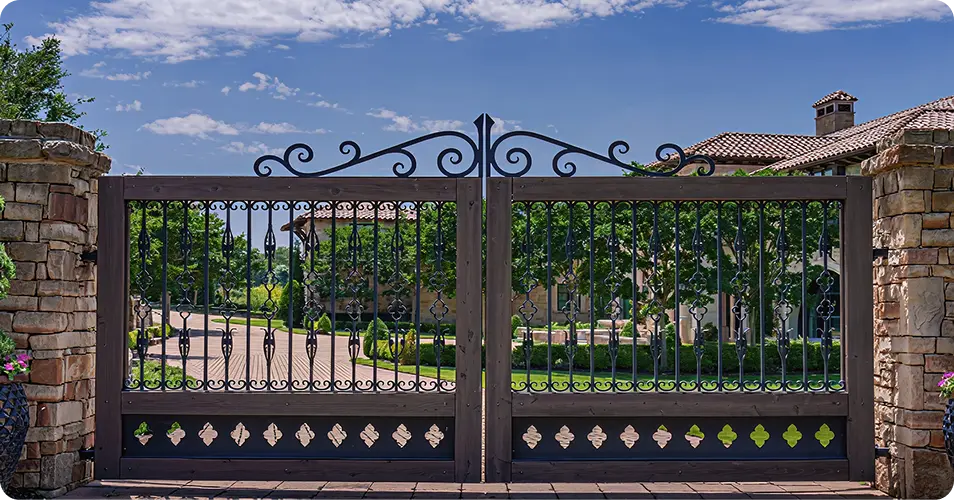
Choosing the Right Custom Gate Installer
A successful custom gate installation depends on more than the quality of the gate itself. The company you choose should have the experience, craftsmanship, and technical expertise to manage every stage of the project—from the initial site evaluation through final installation and system testing.
When evaluating a custom gate installer, consider the following:
Experience With Local Properties
Dallas-Fort Worth homes range from modern residences to large estate properties, each with unique layouts, architectural styles, and installation requirements. Experience working with a variety of property types helps ensure the right recommendations for your project.
Custom Design and Fabrication
Every property is different. A quality installer should design and fabricate each gate specifically for the property rather than relying on standard sizes or one-size-fits-all solutions.
Complete Installation Expertise
A professional installation requires more than fabrication. Your installer should understand structural support, automation, electrical coordination, access controls, and system testing to ensure every component works together reliably.
End-to-End Project Management
Working with one company from design through final installation helps maintain quality, improve communication, and ensure every component is designed to work together as one complete system.
For more than 40 years, Lambert’s Ironworks has designed, fabricated, and installed custom gates throughout the Dallas-Fort Worth area. With more than 19,800 gates crafted and installed, our team manages every stage of the project—from the initial site evaluation through fabrication, installation, and final system testing—to help ensure your custom gate provides reliable performance for years to come.
Frequently Asked Questions
How long does custom gate installation take?
The timeline depends on the gate design, fabrication requirements, property conditions, and installation complexity. Because every gate is custom built, projects typically include site evaluation, design, fabrication, finishing, and final installation before the system is tested and placed into service.
Will I need electrical work before installation?
If you’re installing an automated gate, electrical service and conduit should ideally be planned before installation begins. Early coordination helps create a cleaner installation, simplifies operator installation, and can reduce the need for future modifications. During the planning phase, we’ll help determine the electrical requirements for your specific project.
Can a custom gate be added to an existing fence?
Yes. A custom gate can often be designed to integrate with existing fencing, columns, masonry, and architectural features. A site evaluation helps determine the best approach for your specific property.
Should I install automation at the same time as my gate?
In most cases, yes. Planning for automation during the initial project allows the gate, operator, power source, and access controls to be designed as one complete system, often making installation more efficient and reducing future modifications.
What type of finish is best for outdoor gates in Texas?
North Texas weather can expose metal gates to intense heat, moisture, and changing conditions. A professionally applied electrostatic paint finish helps protect against corrosion, wear, and environmental exposure while maintaining the gate’s appearance for years to come.